

Procurement is the full set of activities a business carries out to obtain the goods and services it needs to operate. It includes identifying requirements, evaluating suppliers, negotiating terms, placing and receiving orders, making payments, and managing supplier performance.
Procurement is broader than purchasing. Purchasing mainly covers the transaction of raising a purchase order and paying the invoice, while procurement covers the wider process of deciding what to buy, who to buy from, and on what terms.
Procurement in Supply Chain (Why it Matters)
Procurement directly influences cost, quality, supply continuity, lead time, compliance, risk, and cash flow. Supplier capacity, reliability, pricing, and payment terms can affect how efficiently the wider supply chain operates.
How Does Procurement Work?
The procurement cycle generally involves:
- Identifying the business requirement
- Raising and approving a purchase requisition
- Identifying and evaluating suppliers
- Requesting and comparing quotations
- Negotiating commercial and service terms
- Awarding the order or contract
- Receiving and inspecting goods or services
- Matching the purchase order, goods receipt, and invoice
- Managing supplier performance
Types of Procurement
- Direct Procurement: Purchasing raw materials, components, and items used in the finished product.
- Indirect Procurement: Purchasing goods and services that support operations, such as MRO supplies, IT licences, and facility services.
- Services Procurement: Purchasing external services such as transportation, consulting, security, or contract labour.
- Capital Procurement: Purchasing plant, machinery, and other long-life assets.
Key Procurement Terms
Important components include purchase requisitions, RFI, RFQ, RFP, purchase orders, supplier evaluation, contract management, three-way matching, and spend analysis.
The Five Rs of Procurement
Right quality, right quantity, right price, right time, and right place.
Procurement Example
A pharmaceutical packaging manufacturer may need a particular grade of laminate film. Instead of selecting the supplier offering the lowest quoted price, procurement can compare price, minimum order quantity, lead time, inventory holding cost, quality, and supplier reliability before awarding the order.
This illustrates how procurement considers the wider cost and supply implications rather than simply processing a purchase transaction.
Procurement vs Purchasing
Purchasing focuses primarily on the transaction of ordering and paying for goods or services. Procurement covers the broader process, including identifying needs, selecting suppliers, negotiating, contracting, receiving, payment, and supplier management.
Related Terms
- Strategic Sourcing
- Purchase Order (PO)
- Request for Quotation (RFQ)
- Supplier Lead Time
- Supplier Risk
- Vendor Management
- Purchase-to-Pay (P2P)
- Total Cost of Ownership (TCO)
- Direct and Indirect Spend
Join The Community
Recent News
-
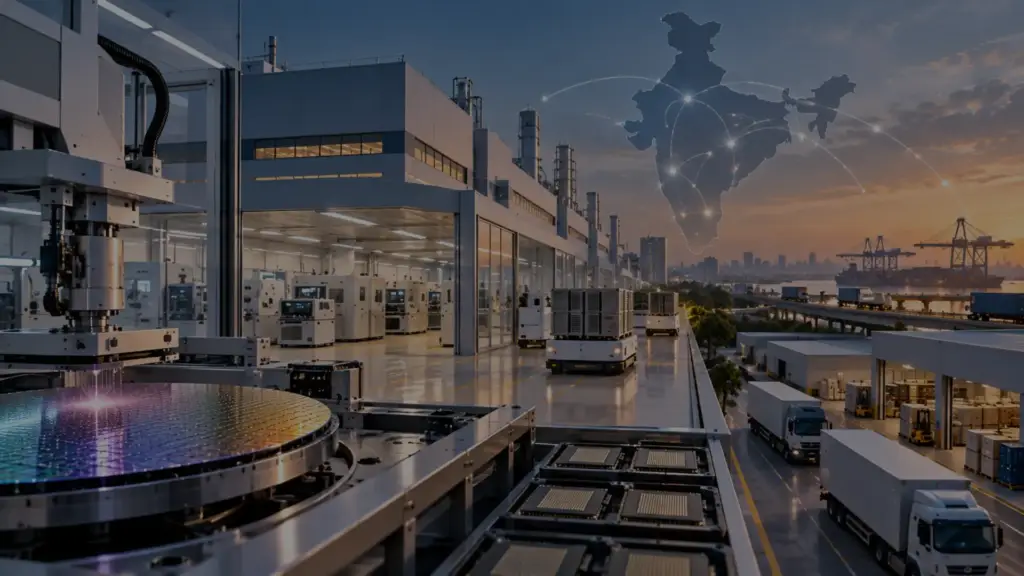 Domestic Supply Chain Key to India's Semiconductor Growth Ambitions
 -
 Aegis Logistics Incorporates Wholly Owned Subsidiary in Singapore
 -
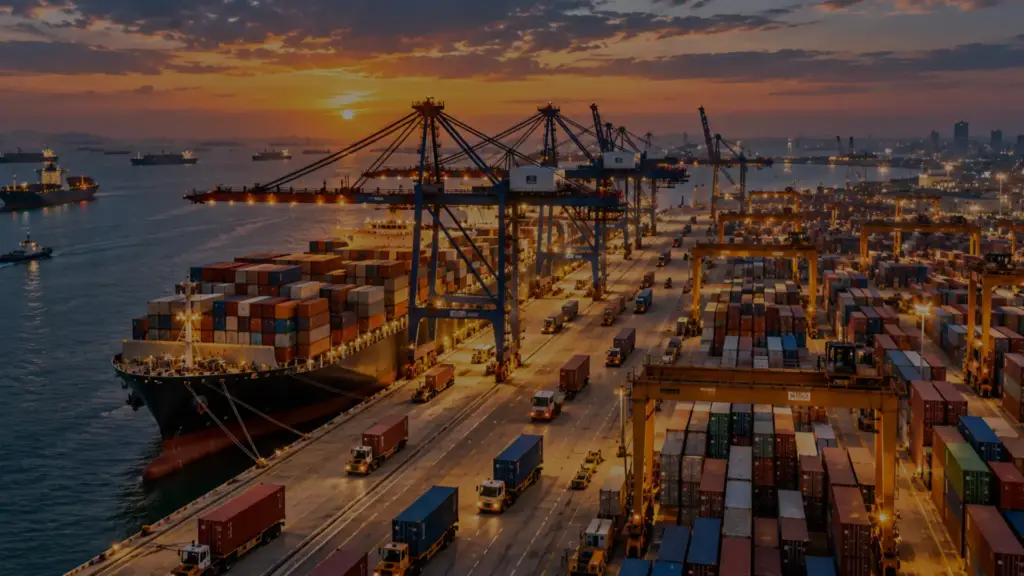 India's Port Volumes Rise 7% as Global Freight Rates Surge
 -
 GMR Hyderabad and Brussels Airport Sign MoU on India-Europe Air Cargo
 -
 Lufthansa Cargo Suspends Mumbai Freighter Services Amid Airport Congestion
FAQs
Q1. What is the difference between procurement and purchasing?
Purchasing is the transaction of raising an order and paying for it, while procurement covers the wider process from need identification and supplier selection to contracting and supplier management.
Q2. What is the difference between sourcing and procurement?
Sourcing focuses on finding, evaluating, and selecting suppliers. It is one part of the broader procurement function.
Q3. What is the difference between direct and indirect procurement?
Direct procurement covers items that become part of the finished product, while indirect procurement covers goods and services that support business operations.
Q4. Why is the lowest price not always the deciding factor?
A lower quoted price may come with longer lead times, higher minimum order quantities, poorer quality, or greater supply risk. Procurement therefore considers the wider total cost and supply implications.