

Order fulfilment is the complete set of activities involved in getting a customer’s order from the moment it is placed to the moment it is delivered. It covers receiving and storing inventory, picking and packing the ordered items, dispatching the shipment, delivering it, and handling any returns.
The term applies to e-commerce, retail distribution, and B2B supply, where the customer may be a consumer, a dealer, a retail outlet, or another business.
Why Order Fulfilment Matters
Order fulfilment is the part of the supply chain that customers experience directly. Delivery speed, order accuracy, packaging quality, and the handling of returns can all influence the customer experience.
Efficient order fulfilment helps businesses:
- Improve order accuracy
- Reduce fulfilment and delivery costs
- Maintain accurate inventory records
- Reduce avoidable returns
- Handle increasing order volumes efficiently
Process of Order Fulfilment
The typical order fulfilment process includes:
- Receiving: Inventory arrives at the warehouse or fulfilment centre and is checked and recorded.
- Storage and Putaway: Products are placed in designated storage locations.
- Order Processing: The order is received, validated, and prepared for fulfilment.
- Picking: Products are retrieved from their storage locations.
- Packing: Items are checked, packed, weighed, and labelled.
- Shipping: The shipment is assigned to a carrier and dispatched.
- Delivery and Tracking: The shipment moves through the delivery network to the customer.
- Returns Processing: Returned products are inspected and may be restocked, repaired, or written off.
SAP similarly describes fulfilment around warehouse execution activities such as picking, packing, shipping, and delivery.
Common Order Fulfilment Models
In-house fulfilment: A business manages its own inventory storage, picking, packing, and shipping.
Third-party logistics (3PL): An external logistics provider stores inventory and fulfils orders on behalf of the business.
Dropshipping: A supplier or manufacturer ships the product directly to the customer after an order is placed.
Marketplace fulfilment: An e-commerce marketplace stores and ships the seller’s inventory through its own fulfilment network.
Key Components of Order Fulfilment
Important components of order fulfilment include:
- Inventory accuracy
- Warehouse layout and slotting
- Order Management System (OMS)
- Warehouse Management System (WMS)
- Carrier network
- Reverse logistics
An OMS can coordinate the order lifecycle from order placement and inventory checks through fulfilment, delivery, and returns.
Order Fulfilment Metrics
Businesses commonly measure fulfilment performance using:
- Order accuracy rate
- On-time delivery percentage
- Order cycle time
- Perfect order rate
- Cost per order
- Return rate
Order Fulfilment Example
An apparel business selling online across India may store inventory at a fulfilment centre in Bhiwandi. When a customer places an order, the warehouse system generates a picking requirement. The items are picked, checked, packed, labelled, and handed to a courier for delivery.
If the business operates fulfilment centres in multiple regions, inventory can be positioned closer to customers. This can help reduce delivery distances and fulfilment times. The uploaded source uses the example of distributing inventory between Bhiwandi and an eastern fulfilment centre to serve customers in different regions.
Related Terms
Pick and Pack
Fulfilment Centre
Distribution Centre
Order Cycle Time
Last Mile Delivery
Reverse Logistics
Third-Party Logistics (3PL)
Warehouse Management System (WMS)
Inventory Management
Join The Community
Recent News
-
 US House Passes Russia Sanctions Bill, 100% Tariff Threat Looms Over India
 -
 DHL Launches AI Tool TradeNavigator for Customs Data
 -
 Flipkart Creates 250,000 Festive Jobs, Adds 900-Plus Delivery Hubs
 -
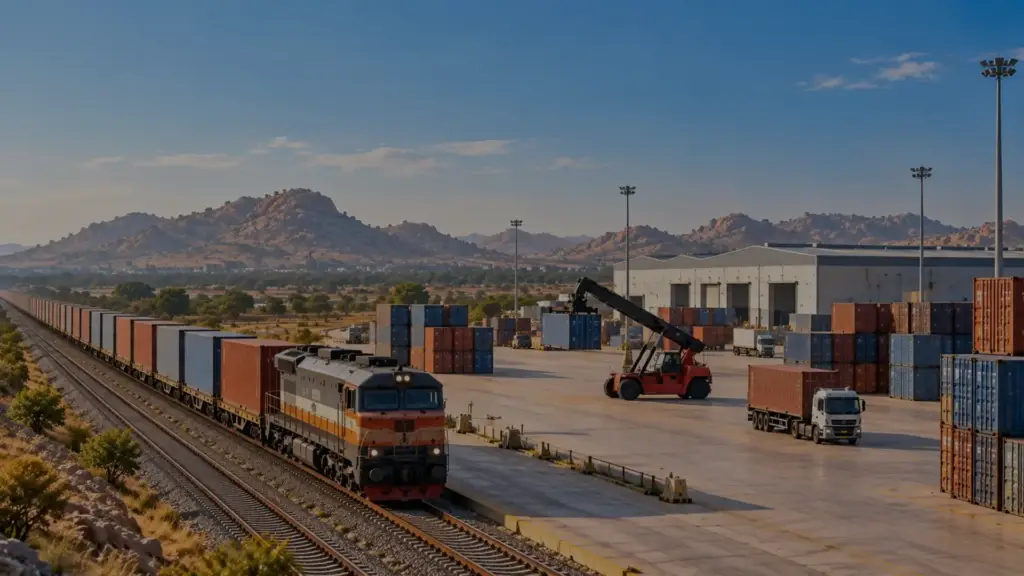 JSW Infrastructure Gets LOI to Set Up First ICD in Ballari Region
 -
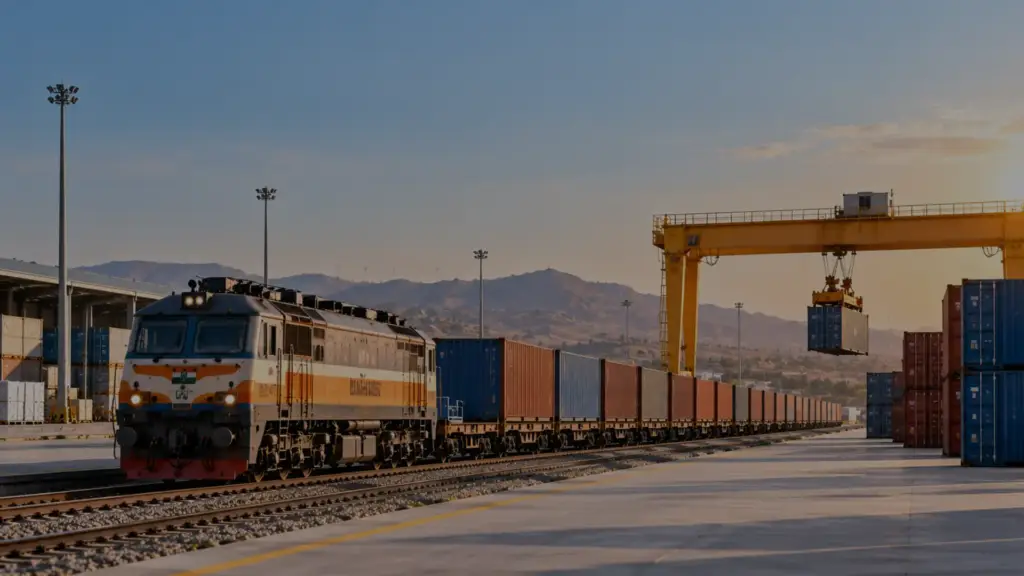 Indian Railways Expands Gujarat Freight Network with Five New Gati Shakti Cargo Terminals
FAQs
Q1. What is the difference between order fulfilment and logistics?
Logistics is the broader movement and storage of goods across the supply chain. Order fulfilment is the specific part that turns a customer order into a delivered shipment.
Q2. What is the difference between a warehouse and a fulfilment centre?
A warehouse is primarily for storing inventory, often in bulk and for longer periods. A fulfilment centre is built to move stock quickly, with layout, staffing, and systems designed around picking, packing, and daily dispatch.
Q3. When should a business move to a 3PL?
Usually when order volumes outgrow the space, staff, or systems available in-house, or when the business needs to hold stock closer to customers in multiple regions without setting up its own warehouses.
Q4. What is a perfect order?
An order delivered complete, on time, undamaged, and with correct documentation. The perfect order rate is a common measure of overall fulfilment quality.