News: KPMG International released a report titled “Building a Shock-Resilient Supply Chain” at KPMG in India’s 17th ENRich conclave on energy and natural resources.
It draws on a pulse survey of 109 senior executives across India, the US, China, Germany, Japan, and Saudi Arabia, conducted by Ipsos in September 2026.
Nearly 70% of respondents said their organization’s risk exposure has increased over the past two years, and 56% expect external disruptions such as geopolitics, energy, cyber, trade, or climate to cause severe operational disruption or significantly hit costs and performance over the next three to five years.
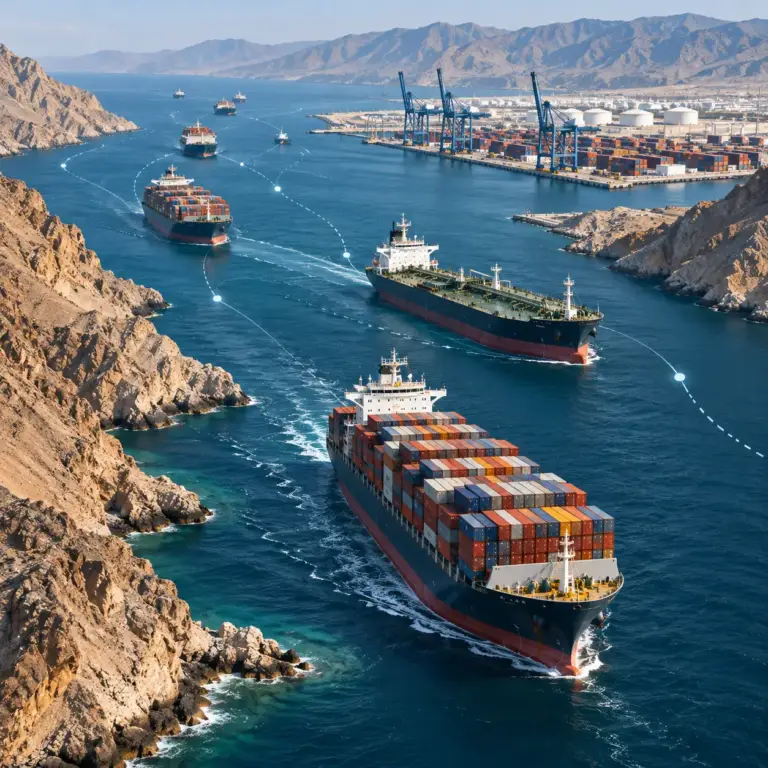
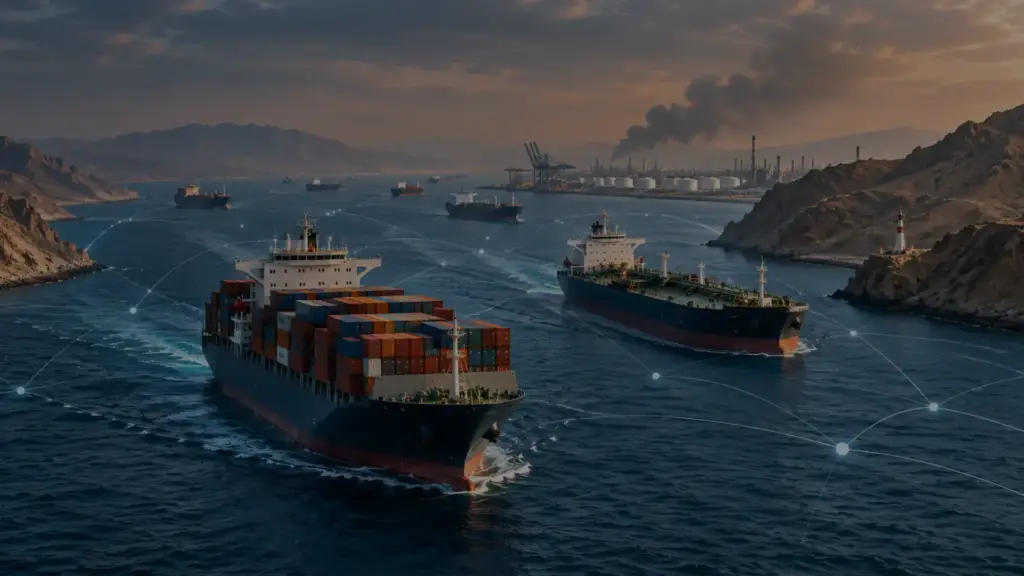
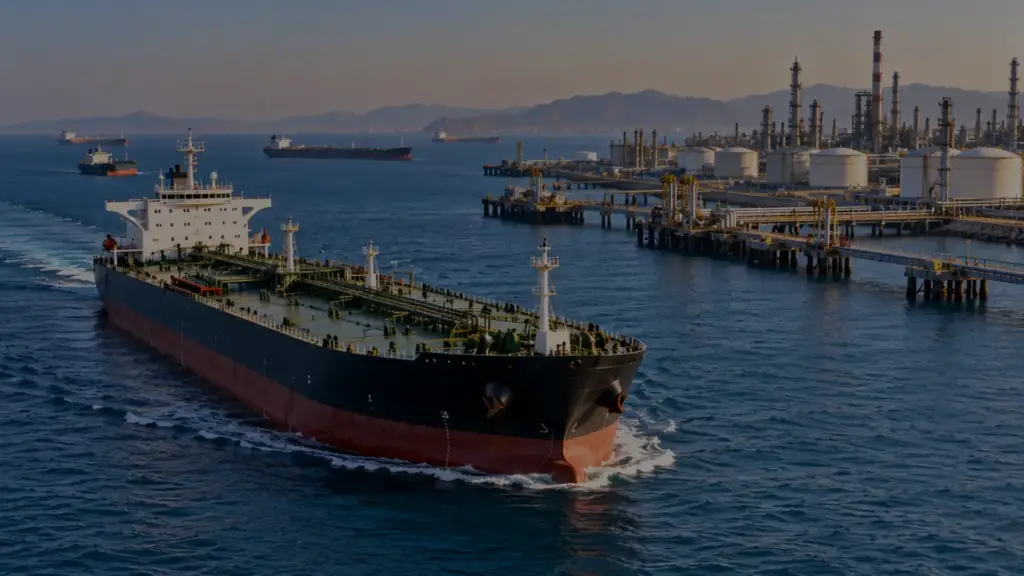
Respondents rated technology and digital dependencies (46%), delivered costs and price volatility (39%), and shipping and logistics (33%) as the most exposed supply chain stages. The report treats the 2026 disruption to traffic through the Strait of Hormuz as a live stress test, concluding that diversified suppliers can still depend on the same maritime chokepoint, and that contracts cannot create vessels or insurance capacity when both are scarce. Top resilience priorities cited were AI and predictive analytics (49%), scenario planning and stress testing (44%), and alternative sourcing (39%).
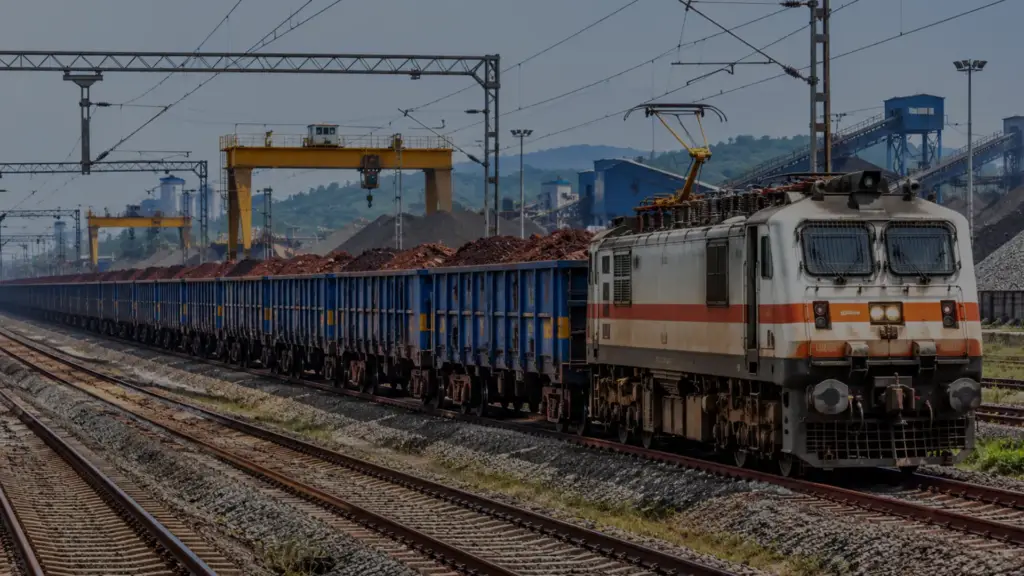
For Indian logistics operators handling energy-linked and import-dependent cargo, the report’s central message is that resilience depends on mapping shared routes and dependencies across a supplier base, not simply adding more suppliers who may still route through the same chokepoints.