

A purchase order (PO) is a document issued by a buyer to a supplier that formally commits to buying specified goods or services at agreed quantities, prices, and terms. Once the supplier accepts it, the PO becomes a binding agreement between the two parties.
The PO is the control document of the buying cycle. It records what was ordered, at what price, for delivery when and where, and it is the reference against which the goods receipt and the supplier invoice are later checked.
Why Are Purchase Orders Important in Supply Chain Management?
Without a PO, a business is buying on verbal commitments, with no agreed record of price, quantity, or delivery date.
- Financial control: Spend is authorised before it is committed, not after an invoice arrives.
- Dispute resolution: Price and quantity disagreements are settled against the PO rather than against memory.
- Payment control: The three-way match between PO, goods receipt, and invoice prevents payment for goods never ordered or never received, which is a common source of duplicate and fraudulent payments.
- Commitment visibility: Open POs show the value and timing of purchases already committed but not yet received, which is essential for cash flow planning and for inventory planning.
- Supplier performance measurement: Promised dates on the PO, compared with actual receipt dates, are the basis for on-time delivery metrics.
- Audit trail: Approvals, amendments, and acceptances are documented.
How Does the Purchase Order Process Work?
- Requisition: A department or planning system raises an internal purchase requisition stating the requirement.
- Approval: The requisition is routed for approval based on value, category, and budget.
- PO creation: Procurement converts the approved requisition into a PO, with a unique PO number, against the selected supplier and agreed pricing.
- Issue and acknowledgement: The PO is sent to the supplier. The supplier acknowledges, confirming acceptance and the delivery date. Acknowledgement is what makes the PO a binding commitment on both sides.
- Fulfilment: The supplier produces or picks and despatches against the PO, referencing the PO number on documents.
- Goods receipt: On arrival, quantities and items are checked against the PO and a goods receipt note (GRN) is raised. Shortages, excesses, and rejections are recorded.
- Invoice matching: The supplier invoice is matched against the PO and the GRN. All three must agree on item, quantity, and price.
- Payment: Once matched, the invoice is approved and paid per the PO’s payment terms.
- Closure: The PO is closed when fully received and paid, or short-closed if the balance is no longer required.
Types of purchase order
- Standard PO: A one-time order with item, quantity, price, and delivery date all defined. The most common type.
- Planned PO: Items, prices, and an estimated total quantity are agreed, with deliveries scheduled in releases over a period. Used where storage capacity or production schedules require staged supply.
- Blanket PO: Pricing and a maximum value or quantity are agreed with one supplier for a period, and individual requirements are drawn against it without raising a new PO each time. Used for repeat purchases where
- timing and exact quantity are not predictable.
- Contract PO: Establishes commercial, legal, and payment terms with a supplier without specifying items or quantities. Subsequent standard POs reference it.
What Information Does a Purchase Order Include?
A PO normally carries:
- Unique PO number and issue date
- Buyer entity name, address, and GSTIN or tax registration
- Supplier name, address, and tax registration
- Line items with description, specification or part number, quantity, unit of measure, unit price, and line value
- Applicable taxes and total order value
- Required delivery date or schedule
- Delivery address and incoterms or freight terms
- Payment terms
- Quality or inspection requirements
- Terms and conditions, including penalty and cancellation clauses
- Authorised signatory or approval record
Related documents
- Purchase requisition: The internal request that precedes the PO.
- Order acknowledgement: The supplier’s confirmation of acceptance and delivery date.
- Goods receipt note (GRN): Record of what was physically received.
- Invoice: The supplier’s request for payment, issued after supply.
Purchase Order Example: How Businesses Manage Procurement
A furniture manufacturer in Jodhpur needs plywood on a continuing basis but cannot predict monthly consumption precisely. For a one-time purchase of a new CNC router, procurement raises a standard PO with a single quantity, fixed price, and a defined delivery date.
For plywood, it instead issues a blanket PO to an approved supplier covering twelve months at agreed slab pricing, up to a maximum value. Production draws releases against it as consumption requires, without a new approval cycle each time. Each release is received against the blanket PO, a GRN is raised, and invoices are matched to the release and the GRN before payment.
When a plywood delivery arrives 40 sheets short, the GRN records the actual quantity, the invoice is matched to the received quantity rather than the ordered quantity, and payment is made only for what was delivered. Without a PO and GRN, that shortfall would most likely have been paid in full.
Related Terms
- Procurement
- Strategic Sourcing
- Request for Quotation (RFQ)
- Purchase-to-Pay (P2P)
- Goods Receipt Note (GRN)
- Three-Way Match
- Supplier Lead Time
- Economic Order Quantity (EOQ)
Join The Community
Recent News
-
 GE Aerospace to Nearly Double India Supplier Spend to $400 Million by 2030
-
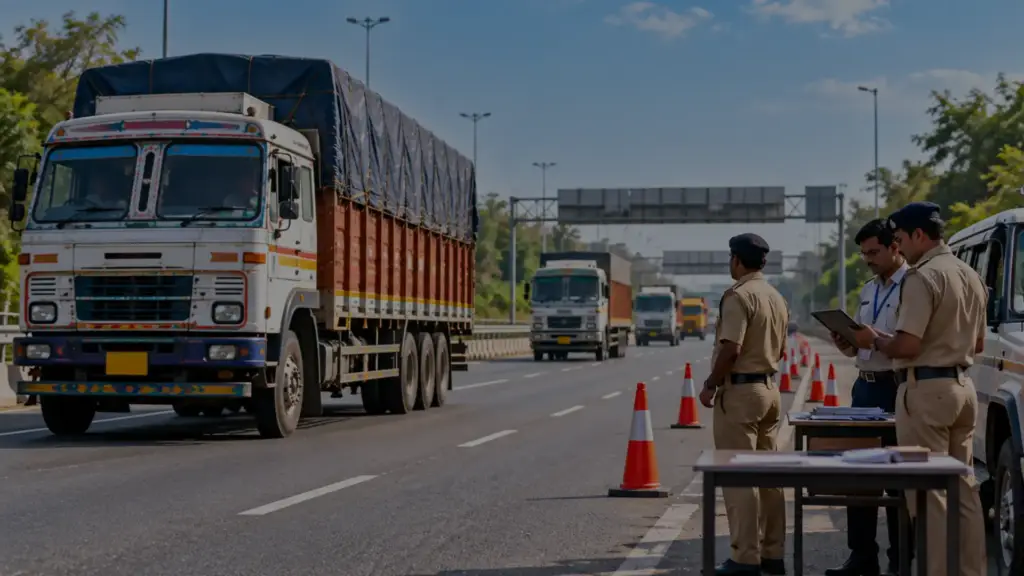 GST Council Eases Transit Checks, Curbs Random Highway Inspections
-
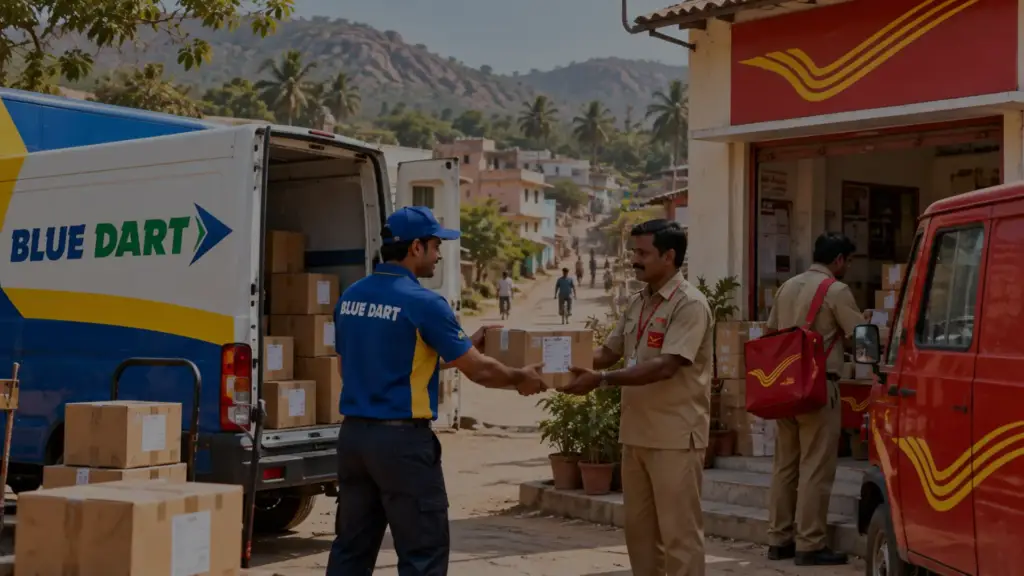 Blue Dart and India Post Join Hands to Boost Last-Mile Connectivity
-
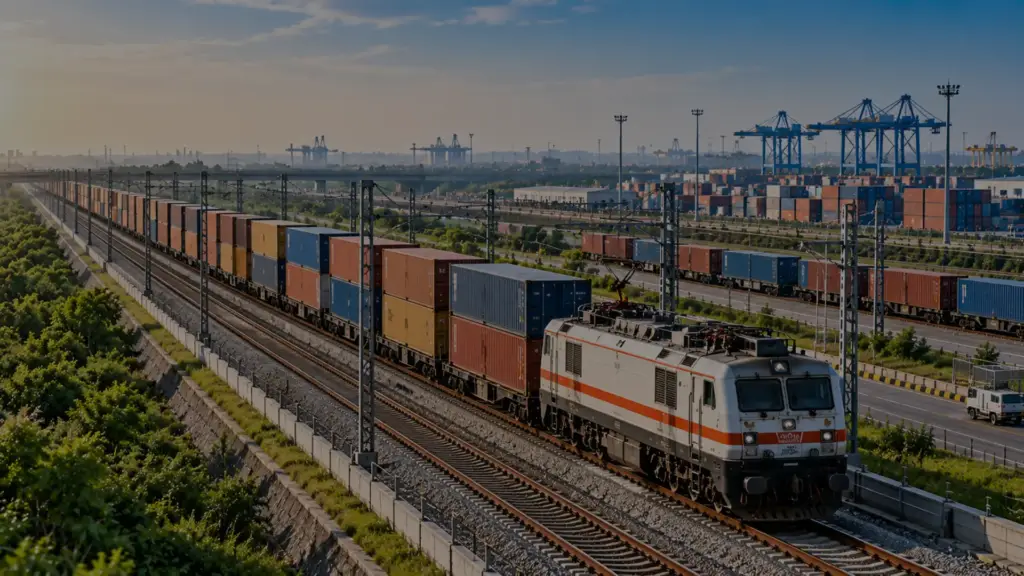 Dedicated Freight Corridor Moves 19.7 Billion Gross Tonne KM in September
-
 PM Modi Unveils Eight Projects Worth Rs 7.54 Billion to Boost VOC Port
FAQs
Q1. What is the difference between a purchase order and an invoice?
The buyer issues the PO before supply, to request goods and set terms. The supplier issues the invoice after supply, to request payment. The PO sets the terms, the invoice collects against them.
Q2. What is the difference between a purchase requisition and a purchase order?
A requisition is internal, a request from a department to procurement for permission to buy. A PO is external, a commitment issued to a supplier.
Q3. Is a purchase order legally binding?
It becomes binding once the supplier accepts or acknowledges it. Until then it is an offer. The exact position depends on the terms and on applicable contract law.
Q4. What is a three-way match?
Verification that the PO, the goods receipt, and the supplier invoice agree on item, quantity, and price before payment is released. It is the standard control against paying for goods that were not ordered or not received.
Q5. When is a blanket PO better than a standard PO?
When the same items are bought repeatedly from one supplier but quantity and timing vary. It removes a full approval cycle per order while keeping pricing and total exposure under control.