

Full Truckload (FTL) is a freight shipping method in which a single shipment occupies an entire truck, either because it fills the trailer’s capacity or because the shipper chooses not to share space with other shipments. The truck moves directly from origin to destination without stopping to load or unload other consignments along the way.
Why It Matters in Supply Chain
FTL is one of the two primary road freight models, the other being Less Than Truckload (LTL). Choosing between them affects transit time, cost per shipment, damage risk, and how a business plans warehousing and order consolidation. For high-volume shippers, FTL is often the more efficient and predictable option.
How does FTL Work
A shipper books an entire truck for one shipment. The carrier picks up the goods, drives directly to the destination, and unloads. Because there are no intermediate stops or transfers, transit times are faster and the risk of damage from repeated handling is lower than with LTL, where multiple shipments share trailer space and go through consolidation points.
Key Components of FTL
- Dedicated trailer space for a single shipper
- Point-to-point routing with no intermediate handling
- Pricing based on distance, weight, and truck type rather than shared space
- Common trailer types: dry van, refrigerated, flatbed
Supply Chain Example
A manufacturer needs to move a full container’s worth of finished goods from its factory in Pune to a distribution centre in Delhi. Since the shipment fills an entire truck, the company books FTL service. The truck travels directly between the two points, reducing transit time and handling compared to routing the same volume through a shared LTL network.
Related Terms
Less Than Truckload (LTL), Part Truckload (PTL), Line Haul, Freight Consolidation
Sources
Join The Community
Recent News
-
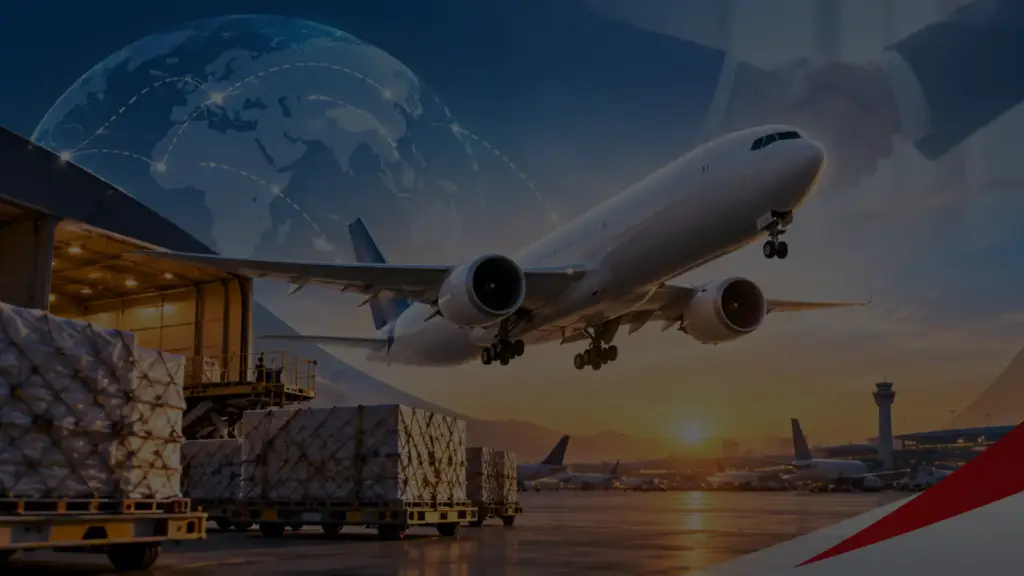 Afcom Signs LOI with Boeing for Four 777-8F Freighters
 -
 Nepal Floods Disrupt India Trade, 16-KM Truck Queue Forms at Sonauli Border
 -
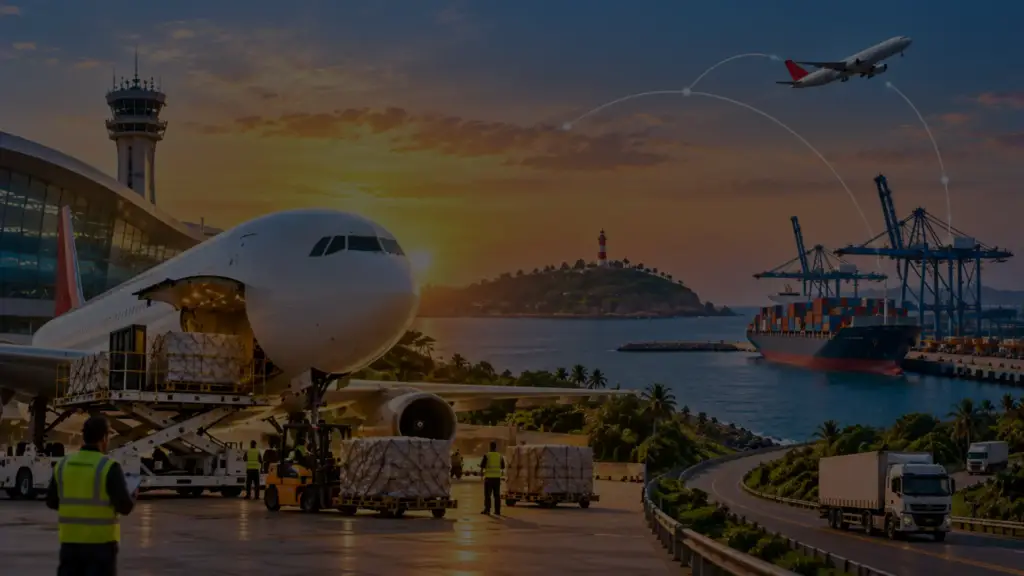 Thiruvananthapuram Airport Records 41% Growth in Domestic Cargo
 -
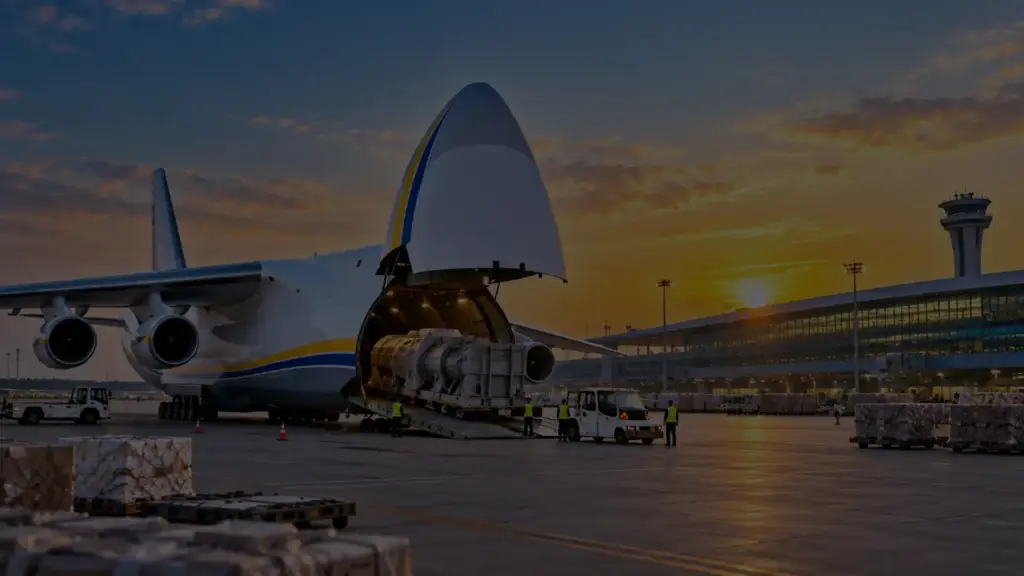 Antonov An-124 Lands at Navi Mumbai Airport, Signals Outsized Cargo Capability
 -
 UltraTech to Expand Electric Truck Fleet to Over 600 by December
FAQs
Q1. Is FTL always cheaper than LTL?
Not always. FTL is generally more cost-effective for large shipments, while LTL is cheaper for smaller loads that do not fill a truck.
Q2. Does FTL mean the truck is physically full?
Not necessarily. FTL means the shipper has reserved the whole trailer, whether or not it is fully loaded by volume or weight.