Two Years On: How India's National Logistics Policy is Revolutionizing the Sector and Driving Economic Growth
News: Two years after the introduction of India’s National Logistics Policy (NLP), its significant impact on the country’s logistics sector is evident. Launched on September 17, 2022, the policy aimed to tackle inefficiencies, enhance productivity, and reduce the high logistics costs that have historically weighed on India’s expansive and diverse economy. In this short time, the NLP has accelerated improvements in the logistics industry, a vital support system for various sectors and the broader economy.
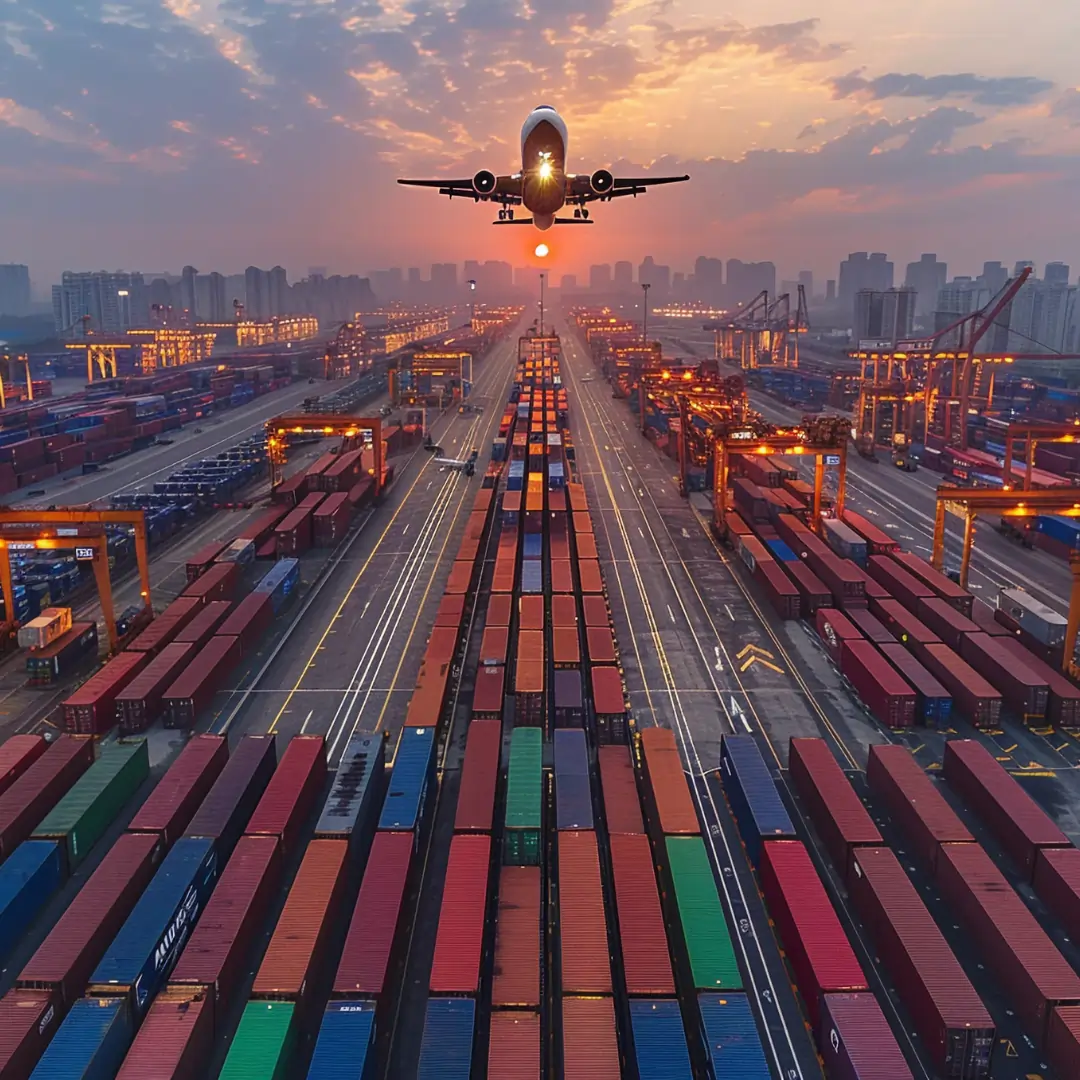
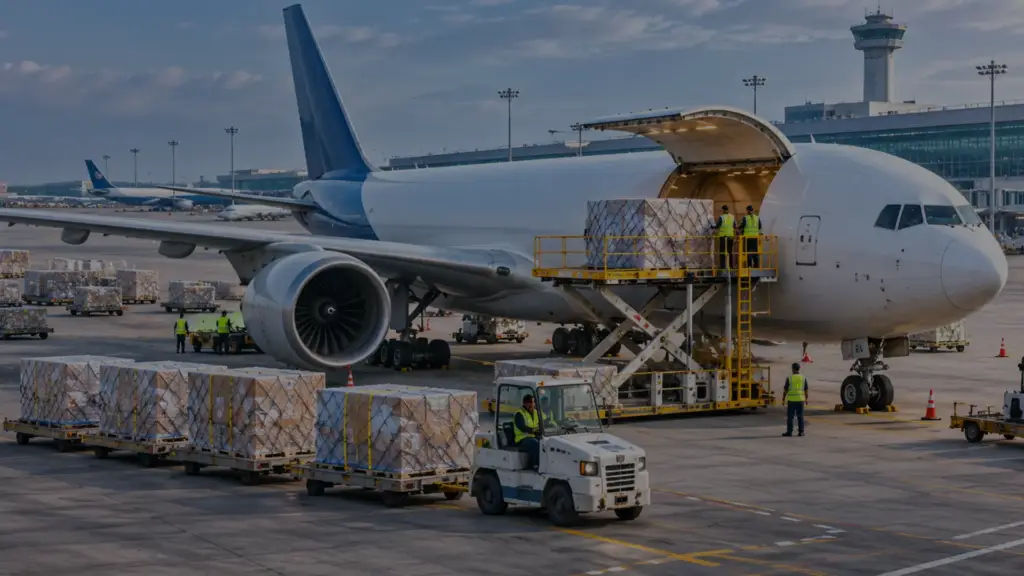
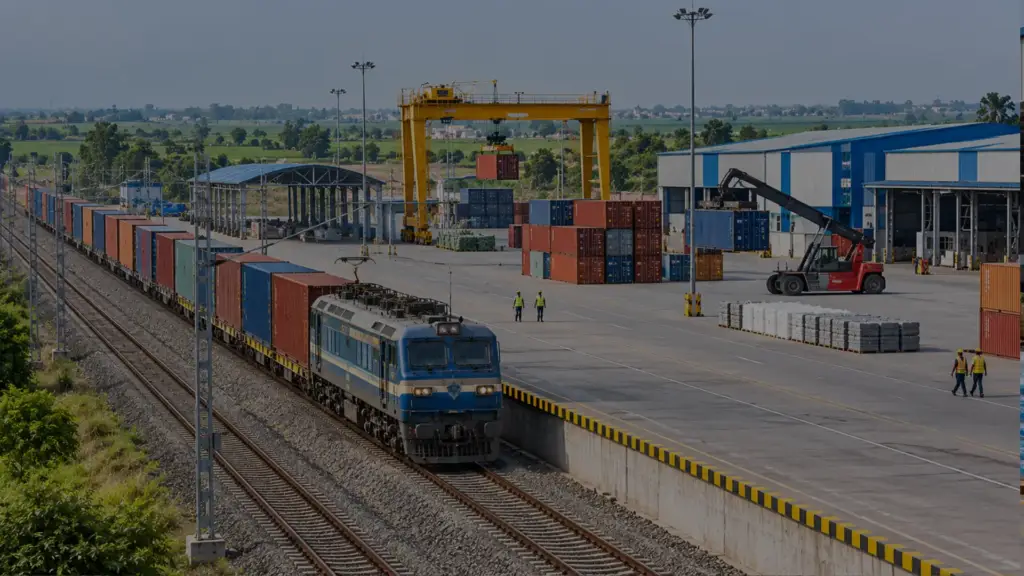
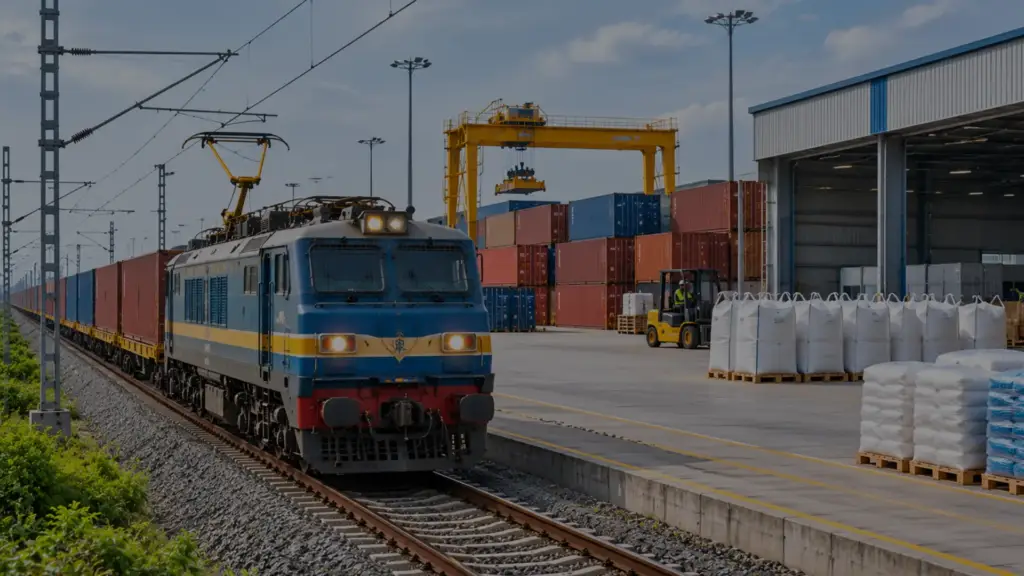
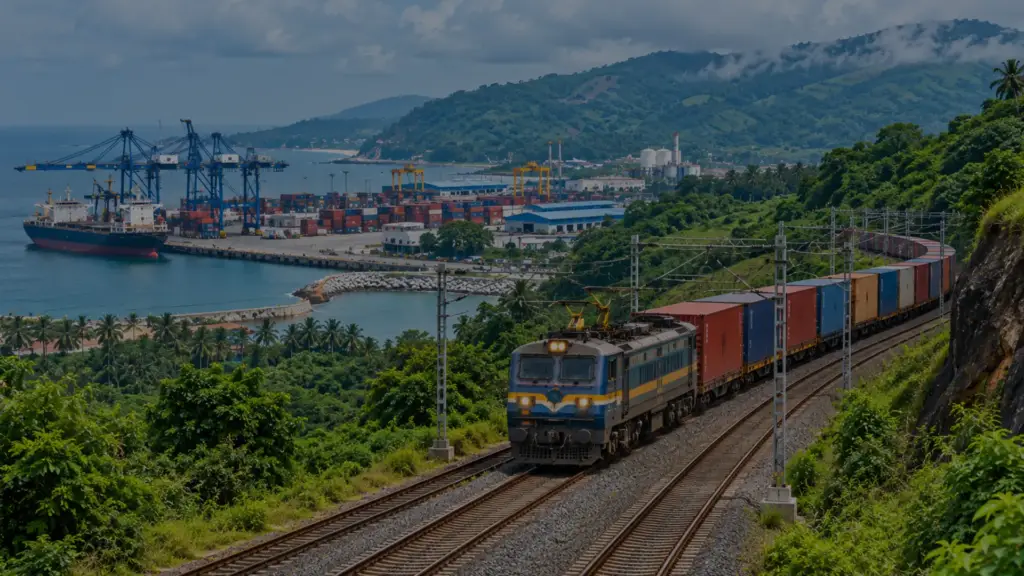
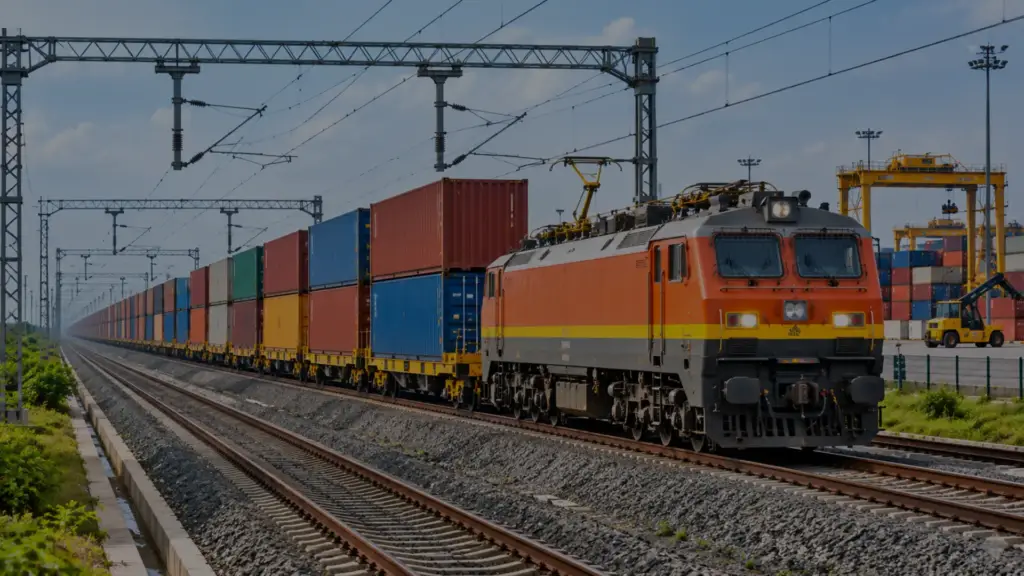
The logistics sector, contributing over 14% of India’s GDP, has long struggled with high costs, disjointed supply chains, and insufficient infrastructure. To address these issues, the government rolled out the NLP, focusing on unifying road, rail, sea, and air transport systems to create a more integrated and efficient logistics ecosystem. This move was designed to make India’s logistics sector more globally competitive.
Key elements of the NLP include promoting technology adoption, digitizing supply chains, developing logistics parks, and fostering sustainable practices such as green logistics. These initiatives have greatly improved coordination among stakeholders, enhanced the ease of doing business, and attracted both domestic and international investments.



5 Comments