
Just-in-Case Inventory Management Strategy
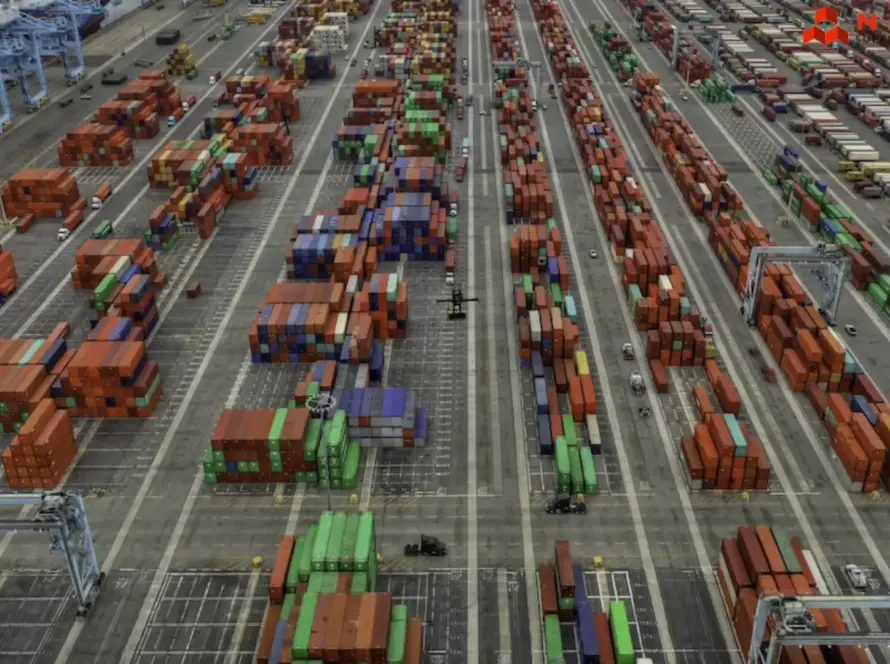
In logistics, inventory is not just stock—it is insurance against uncertainty. When supply chain disruptions, transport delays, demand spikes, or operational failures occur, inventory determines whether fulfillment continues or collapses.
The Just-in-Case (JIC) inventory management strategy is built on this reality. Unlike lean or demand-synchronized models, JIC prioritizes availability over efficiency, ensuring buffer stock exists to absorb volatility across warehousing and transportation operations.
This strategy is not about inefficiency—it is about risk control in environments where reliability matters more than carrying cost optimization.

Read More About: What Is Circular Supply Chain?
Understanding Just-in-Case Inventory in Logistics
Just-in-Case inventory management involves deliberately holding extra inventory beyond forecasted demand to protect logistics operations from unexpected disruptions.
In practical terms, this means warehouses maintain surplus stock to ensure:
• uninterrupted order fulfillment
• stable dispatch velocity
• SLA compliance during inbound delays
• protection against supplier or transport failure
The goal is simple: never let operations stop because inventory arrived late.
Why Just-in-Case Inventory Exists?
Logistics does not operate in perfect conditions. Lead times fluctuate, inbound routes fail, vehicles break down, and demand rarely behaves predictably. JIC inventory exists because:
• inbound transportation is inconsistent
• demand surges cannot always be forecasted
• replenishment failures are expensive
• customer service penalties outweigh holding costs
In high-risk logistics environments, inventory acts as operational shock absorption.
How Just-in-Case Inventory Works in Warehousing Operations?
In a JIC model, inventory planning begins from worst-case operational scenarios, not average demand.
Warehouses using this strategy typically:
• store higher safety stock near dispatch zones
• pre-position inventory closer to demand regions
• protect fast-moving SKUs with larger buffers
• reduce dependency on precise replenishment timing
Instead of reacting to delays, the warehouse continues operating as if nothing failed.
Key Logistics Drivers Behind Just-in-Case Inventory
Demand Variability at the Dispatch Level
In real logistics operations, outbound demand is rarely linear. Order volumes fluctuate due to promotions, regional buying patterns, flash sales, and seasonal peaks. When volumes spike unexpectedly, warehouses without buffer inventory experience pick delays, dock congestion, and missed cut-off times. Just-in-Case inventory protects dispatch velocity by ensuring sufficient stock is immediately available to absorb demand surges without disrupting daily operations.
Transportation Lead Time Uncertainty
Inbound replenishment timelines are influenced by carrier availability, route congestion, weather conditions, and unplanned disruptions. Even minor transport delays can cascade into missed dispatch windows when inventory is tightly balanced. Just-in-Case inventory acts as a buffer between unreliable inbound movement and fixed outbound schedules, allowing warehouses to maintain dispatch continuity even when inbound freight arrives late or out of sequence.
Service Level Commitments and Delivery SLAs
Modern logistics performance is measured by strict service-level agreements—same-day delivery, next-day delivery, and time-definite deliveries. These commitments leave little tolerance for inventory unavailability. Just-in-Case inventory enables immediate order fulfillment without waiting for replenishment, safeguarding on-time delivery performance, reducing SLA penalties, and maintaining consistent customer experience across high-pressure delivery networks.
Network Risk and Supplier Dependency
Logistics networks built on single-source suppliers, long-haul transport routes, port-dependent movements, or cross-border flows carry higher disruption risk. When upstream failures occur, downstream operations often have limited alternatives. Holding inventory closer to fulfillment centers reduces dependency on upstream reliability, allowing warehouses to operate independently for short periods and preventing localized disruptions from escalating into widespread delivery failures.

Just-in-Case vs Just-in-Time Inventory
| Aspect | Just-in-Case | Just-in-Time |
|---|---|---|
| Inventory Levels | High buffer stock | Minimal stock |
| Risk Tolerance | Low tolerance for disruption | High dependency on precision |
| Logistics Stability | Very high | Fragile under disruption |
| Carrying Costs | Higher | Lower |
| Best For | Volatile, SLA-driven operations | Stable, predictable environments |
Read More About: Advanced Warehousing Technologies: 5 Latest Trends
Advantages of Just-in-Case Inventory Strategy
Operational Continuity
Just-in-Case inventory ensures warehouses continue dispatching even when inbound freight is delayed, suppliers miss schedules, or transport routes fail. By maintaining buffer stock at fulfillment locations, operations remain stable during disruptions, preventing picking slowdowns, dock congestion, and missed dispatch cut-offs that directly impact delivery performance.
SLA Protection
High service-level agreements depend on immediate inventory availability. Just-in-Case inventory removes reliance on perfectly timed replenishment, allowing logistics teams to meet same-day, next-day, and time-window delivery commitments even when upstream supply is unpredictable. This protects on-time delivery metrics and contractual obligations.
Reduced Emergency Freight Costs
Without buffer inventory, companies are forced to rely on expedited transport, premium carrier rates, and last-minute routing decisions to recover service failures. Just-in-Case inventory reduces these reactive logistics costs by absorbing variability internally, allowing transportation planning to remain cost-efficient and predictable.
Higher Customer Trust
Consistent fulfillment builds long-term customer confidence. When deliveries remain reliable during peak demand or disruption events, customers experience fewer delays, partial shipments, or order cancellations. Over time, this reliability strengthens retention, especially in B2B, healthcare, and service-critical logistics environments.
Limitations of Just-in-Case Inventory
While effective for risk mitigation, Just-in-Case inventory introduces clear trade-offs that must be actively managed.
Higher inventory levels increase carrying costs related to storage, insurance, handling, and capital lock-in. Warehouses also require additional space, which can reduce layout efficiency if not optimized. Poor demand visibility can lead to slow-moving or obsolete stock, turning resilience into excess. Without data-driven planning, JIC can quickly erode margins instead of protecting operations.
Where Just-in-Case Inventory is Effective?
Just-in-Case inventory is most effective in logistics environments where the cost of failure exceeds the cost of holding stock.
It works particularly well in eCommerce fulfillment during peak sales cycles, healthcare and pharmaceutical logistics where stockouts carry critical consequences, spare-parts distribution for manufacturing uptime, contractual B2B delivery networks, and regions with long or unreliable inbound lead times. In these scenarios, availability directly determines service continuity.

You May Also Like to Read: What Is an OMS (Order Management System)?
Conclusion
Just-in-Case inventory management is not about holding excess stock; it is about protecting logistics execution from uncertainty. Demand spikes, transport delays, SLA pressure, and network risks are operational realities, not exceptions. By maintaining calculated inventory buffers, logistics teams ensure dispatch continuity, delivery reliability, and service consistency even when upstream systems fail.
In an environment where delays directly impact cost, customer trust, and contractual performance, Just-in-Case inventory becomes a risk-control mechanism rather than an inefficiency. The most resilient logistics operations treat inventory not as a liability, but as insurance against disruption.
Thanks For Reading: What Is Just-in-Case Inventory Management Strategy?
Powered By 360Presence