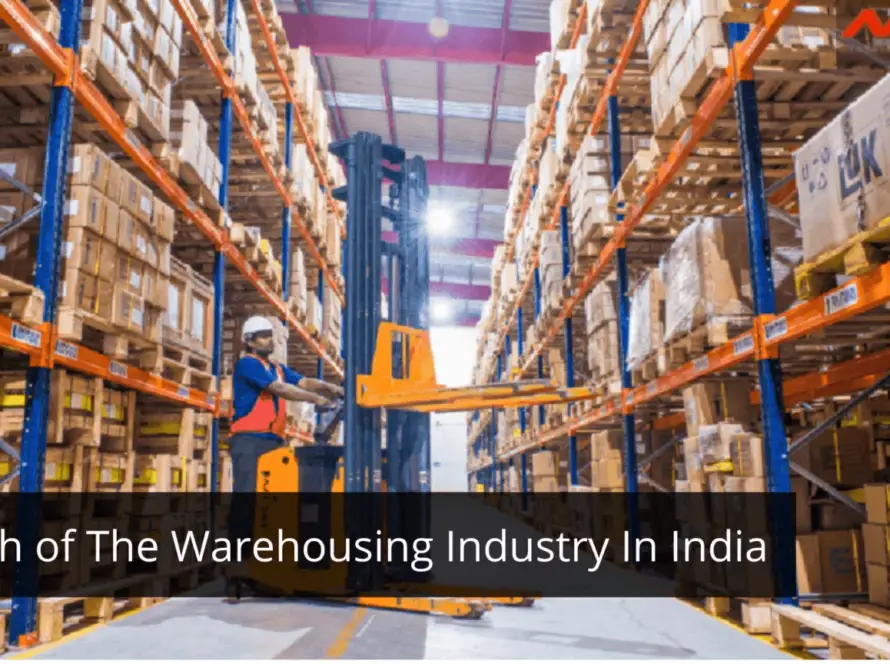

Cross-docking is a logistics practice where incoming goods from a supplier or manufacturer are unloaded at a warehouse or distribution centre and transferred directly to outbound trucks, with little or no storage in between.
Why It Matters in Supply Chain
Cross-docking reduces warehousing and handling costs by minimizing the time goods spend in storage. It shortens the time between production and delivery, lowers inventory holding costs, and speeds up order fulfilment, which is useful for perishable goods, retail replenishment, and high-volume distribution networks.
Process of Cross-Docking
Goods arrive at a cross-dock facility and are sorted based on their final destination. Rather than being placed into storage racks, they are moved across the dock, often within hours, and loaded onto outbound vehicles headed to stores, distribution centres, or customers.
This requires close coordination between inbound and outbound schedules, accurate labelling, and real-time shipment visibility.
Key Components of Cross-Docking
- Inbound and outbound dock coordination
- Sorting and staging area
- Real-time shipment tracking and labelling
- Transportation scheduling alignment
- Minimal to zero storage dwell time
Supply Chain Example
A retail supply chain receives truckloads of mixed products from multiple suppliers at a regional distribution centre. Instead of storing the goods, staff sort them by destination store and load them directly onto outbound trucks the same day, cutting the time products spend in the warehouse and getting them to store shelves faster.
Related Terms
- Distribution Centre
- Full Truckload (FTL)
- Less Than Truckload (LTL)
- Freight Consolidation
- Warehouse Slotting
Join The Community
Recent News
-
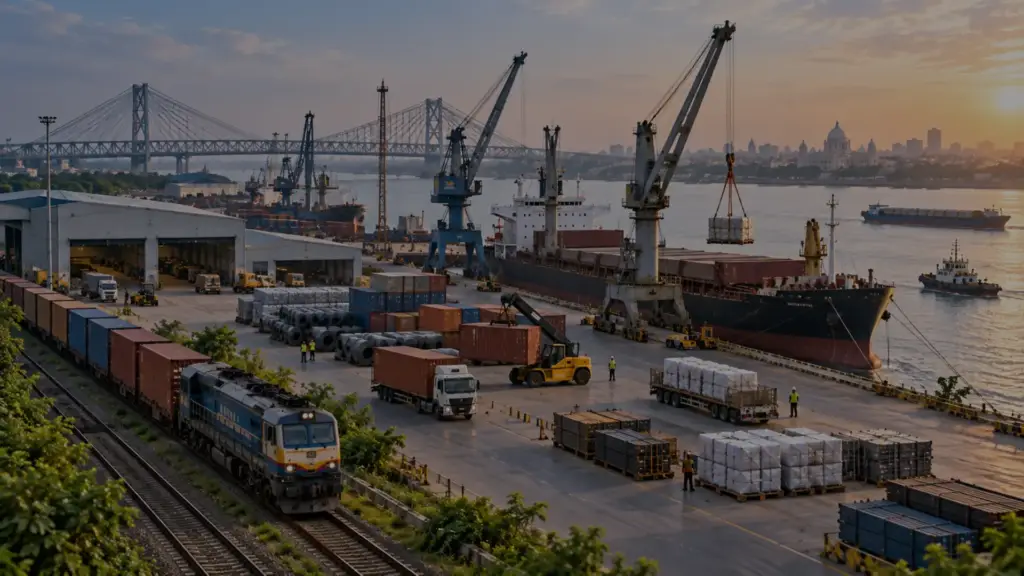 Western Carriers Marks East Coast Debut with New Kolkata Cargo Terminal
 -
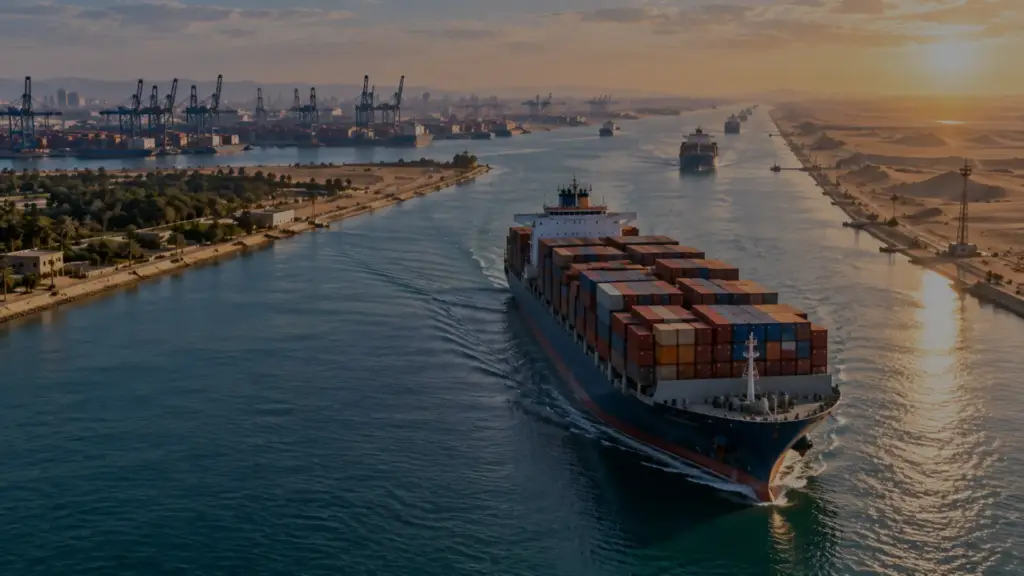 Asia Port Congestion Drives Container Capacity Back to Suez
 -
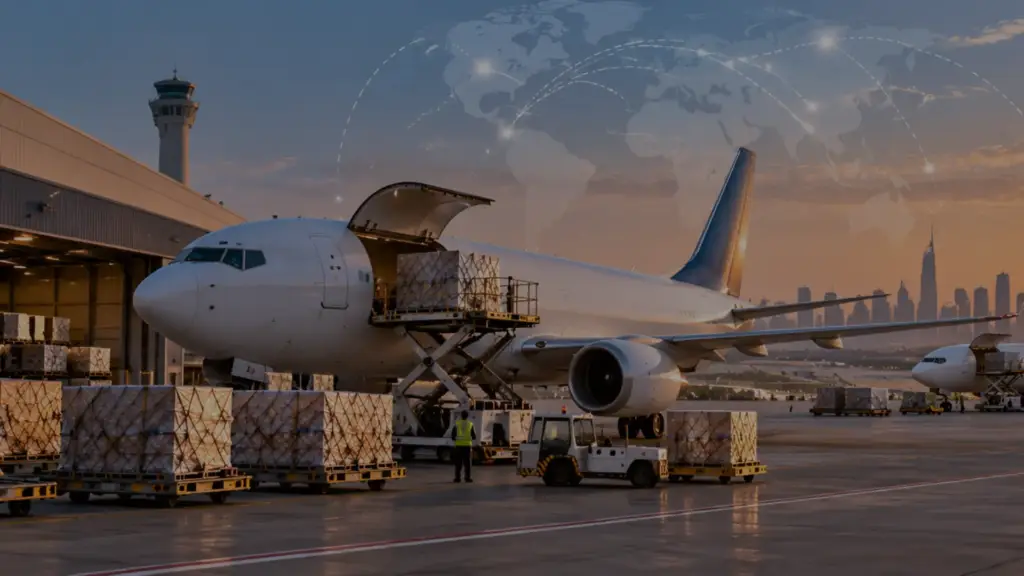 Fly Dubai to Start Freighter Operations from October 1 with Three 737-800Fs
 -
 Cabinet Approves Rs 10,783 Crore Railway Projects to Boost Freight
 -
 Eastern and Western Routes Now Fully Connected, Cutting Freight Transit Times
FAQs
Q1. Is cross-docking suitable for all products?
No. It works best for high-turnover, predictable-demand items such as retail staples and pre-sorted retail shipments. Products needing quality inspection or with unpredictable demand are less suited to it.
Q2. Does cross-docking eliminate the need for a warehouse?
No. Cross-docking facilities are still physical warehouses, but designed for fast throughput rather than long-term storage.